
Construction Loan Broker Gold Coast
Clear advice | Better options | No confusion
Helping clients across the Gold Coast understand construction loan options, what may be possible and how to move forward with confidence.
Construction loans usually start with one big question.
How does the finance actually work when you are building?
Where a lot of people get stuck is working out how much they can borrow, what deposit they need, how progress payments work and what lenders will require along the way.
At The Mortgage People, we help you understand your construction loan options, what may be possible and how to move forward with more clarity and confidence.
Get the Finance Clear Before the Build Gets Complicated
Construction finance works differently from a standard home loan, and getting the structure right early can make the build much easier to manage.
Before signing a building contract or committing to a project, it helps to understand your borrowing position, how much cash or deposit you may need, what the lender will require and how funds will be released as construction progresses.
That is where we start.
Our Borrowing Power Calculator can give you an initial estimate before we look at your circumstances in more detail.

A Construction Loan Isn't Released All at Once
With a standard property purchase, the lender generally provides the loan funds at settlement.
A construction loan works differently. Funds are normally released in stages as the builder completes agreed parts of the project.
These staged payments are commonly known as progress payments.
What are repayments like while you're building?
During construction, interest is generally charged on the amount that has actually been drawn rather than the full approved loan from day one. Your exact repayments and loan structure will depend on the lender and the terms of your construction loan.

The Build Price Isn't Always the Final Number
One of the easiest mistakes to make is focusing only on the headline building contract price.
Depending on your project, there may be other costs that need to be considered before deciding what you can comfortably afford.
Getting approved is important, Being able to comfortably finish the build is more important
We look at the finance in the context of the overall project so you have a clearer picture before committing to the build.
Construction Lending Policies Can Vary Between Lenders
A construction loan involves more than comparing interest rates.
Lenders can have different requirements around contracts, builders, valuations, deposits, progress payments and the types of projects they are prepared to finance.
Rather than looking at one bank in isolation, we can compare suitable construction loan options and explain the differences that matter for your project.
If you're still working out your overall home finance position, our Home Loans page explains the broader lending process.
You can also compare potential repayments using our Loan Repayment Calculator .
Building your first home? Our First Home Buyers page may also be useful when you're working through the wider purchase process.
From Idea to Finished Home
Helpful Next Steps Before You Build
Construction finance is only one part of the picture. These pages can help you work through borrowing, repayments and the broader home loan process.
Frequently Asked Questions
-
A construction loan is generally released in stages as the build progresses, rather than being paid out in one lump sum at the beginning.
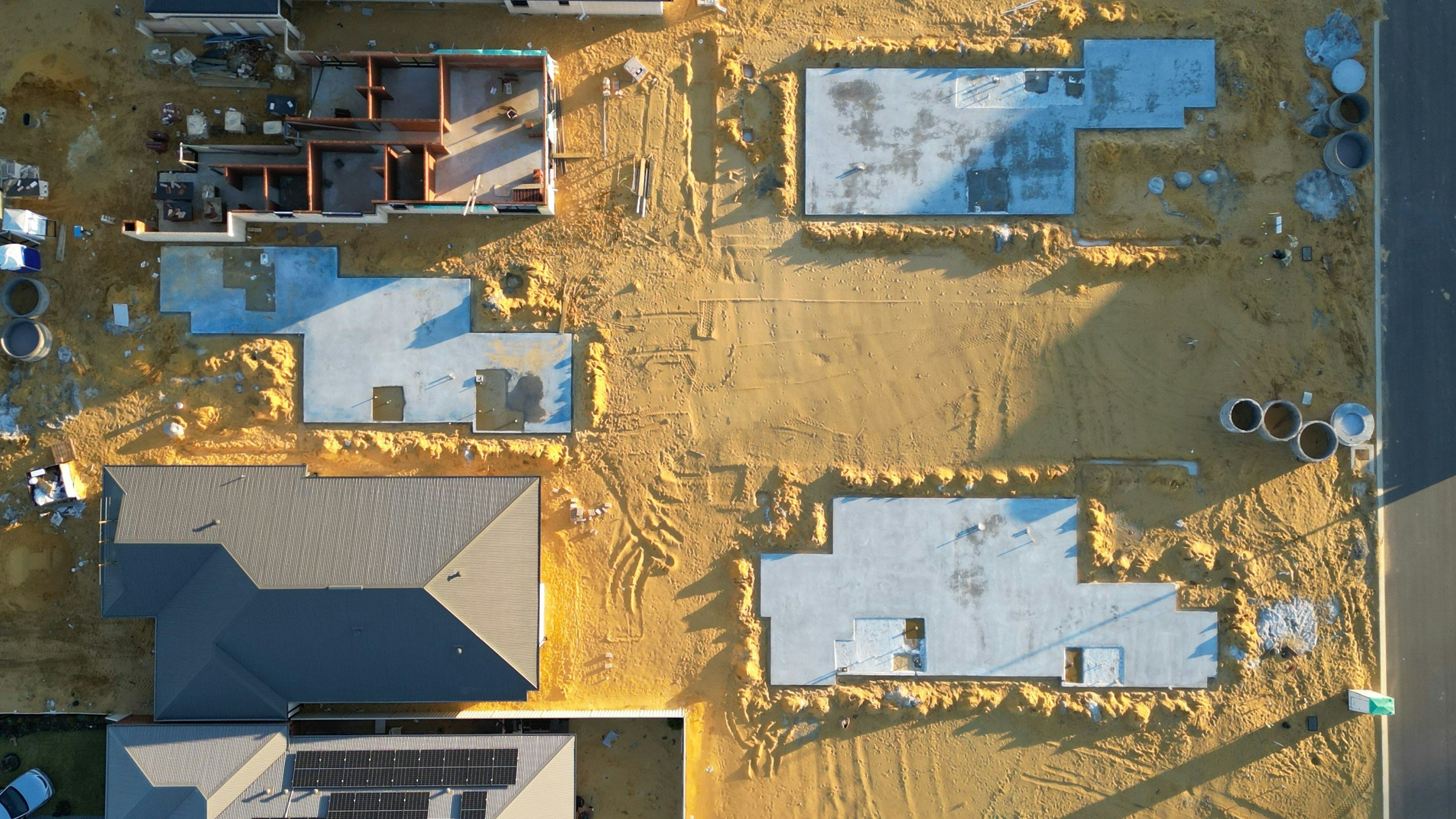
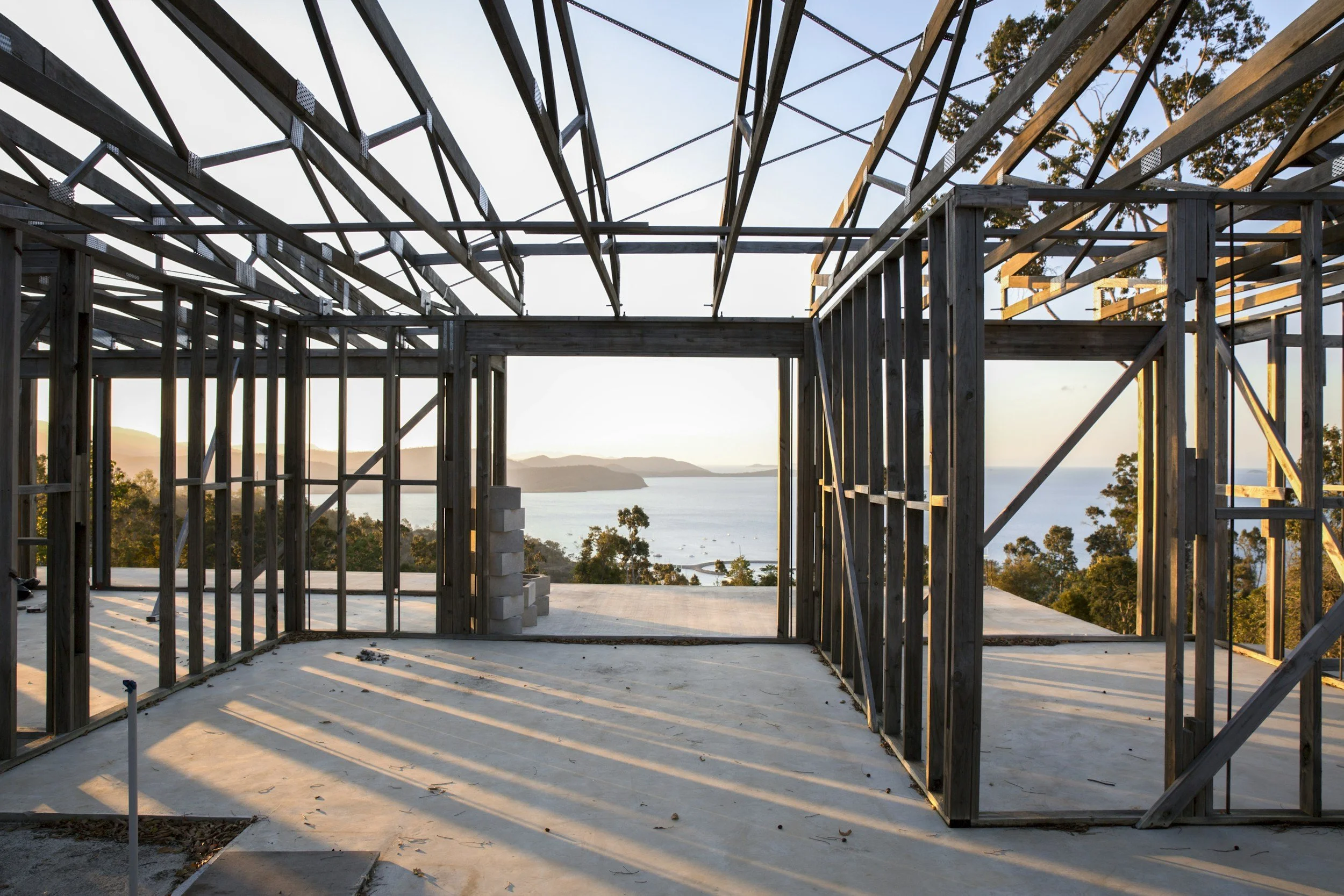
These staged payments are often called progress payments and may correspond with stages such as the slab or base, frame, lock-up, fit-out and completion.
The lender will usually require supporting documents before releasing each payment, and the exact process can vary between lenders.
If you're still working out what you may be able to afford, our Borrowing Power Calculator can give you an initial estimate.
-
The deposit required can depend on the lender, the value of the land, the building contract, your financial position and the overall loan-to-value ratio.
If you already own the land, the equity in that land may form part of your contribution.
If you're buying the land and building at the same time, the lender will generally assess the total project and the value of the completed property.
The right deposit position can vary significantly, which is one reason it can help to compare construction loan options before signing a contract.
-
Progress payments are staged payments made to the builder as different parts of the construction are completed.
A typical build might involve payments at stages such as:
deposit or initial works
slab or base
frame
lock-up
fit-out
completion
The lender may require invoices, progress claims, inspections or other evidence before releasing funds.
The exact stages and requirements can vary depending on the building contract and lender.
-
Generally, interest is charged on the amount of the loan that has actually been drawn rather than the full approved construction loan amount from the beginning.
As more progress payments are made and the amount drawn increases, the interest charged may also increase.
The exact repayment structure depends on the lender and loan terms, so it is important to understand what your repayments may look like during the build and once construction is complete.
You can use our Loan Repayment Calculator to explore different repayment scenarios.
-
Going directly to a bank means you are only seeing that one lender’s products. A broker can compare a wider range of lenders and help you find a construction loan that suits your plans and circumstances.
-
Potentially.
If you already own property and have available equity, that equity may be able to form part of your deposit or contribution towards the new build.
How much equity can actually be accessed depends on your property value, existing loan balance, borrowing capacity and lender requirements.
If accessing equity involves changing your current mortgage, it may also be worth looking at refinancing your home loan as part of the broader finance strategy.
-
Potentially, yes.
House and land packages can be structured in different ways. In some cases, the land is purchased separately and construction begins later. In others, the package may involve linked land and building contracts.
The lender will generally assess the land purchase, building contract, total project cost, valuation and your ability to service the loan.
It is worth getting the finance reviewed before committing to the package so you understand how the lender will treat both parts of the project.
-
Cost increases can happen during construction, particularly if there are contract variations, site issues, changes to fixtures or finishes, or items that were not included in the original building contract.
A lender may not automatically increase the approved loan simply because the project becomes more expensive.
You may need to contribute additional funds yourself or have the revised position reassessed.
This is why it is worth understanding what is included in the contract and keeping some financial breathing room for unexpected costs.
-
Changes to the building contract can affect the total project cost and potentially the lender's approval.
Minor changes may be straightforward, but larger variations can require updated documentation, a revised valuation or additional approval from the lender.
It is usually better to discuss significant changes before committing to them, especially if they increase the overall build cost.
-
Usually, yes.
The lender may arrange a valuation based on the land, plans, specifications and building contract to estimate the value of the completed property.
This valuation can influence how much the lender is prepared to lend and how much contribution you may need to provide.
Depending on the lender and project, further inspections or valuations may also occur during the build or at completion.
-
Yes, first home buyers can potentially use a construction loan to build their first home, subject to lender approval and lending criteria.
The finance process can involve additional steps compared with buying an established property, including land contracts, building contracts, valuations and progress payments.
If you're building your first home, it can help to understand your borrowing position and the wider buying process before committing.
You can read more on our First Home Buyers page.
-
The lender will generally need the same financial information required for a standard home loan, along with documents relating specifically to the construction project.
Depending on the lender and project, this may include:
signed building contract
building plans and specifications
land contract or land ownership details
builder information
quotes or supporting cost information
income and employment documents
details of savings, debts and existing loans
Requirements can vary, so getting organised early can help avoid delays once the application is underway.
-
Ideally, before you sign a building contract or commit to a project.
Speaking with a broker early can help you understand your borrowing position, potential deposit requirements and whether the proposed project is likely to fit lender requirements.
You do not need to have every detail finalised before having the conversation. In many cases, understanding the finance early makes it easier to work out what sort of build is realistic.